Best Scientific Research Papers
A 2026 Review Links Anthocyanin Intake to Lower Heart Disease Risk but Not to Blueberries Alone
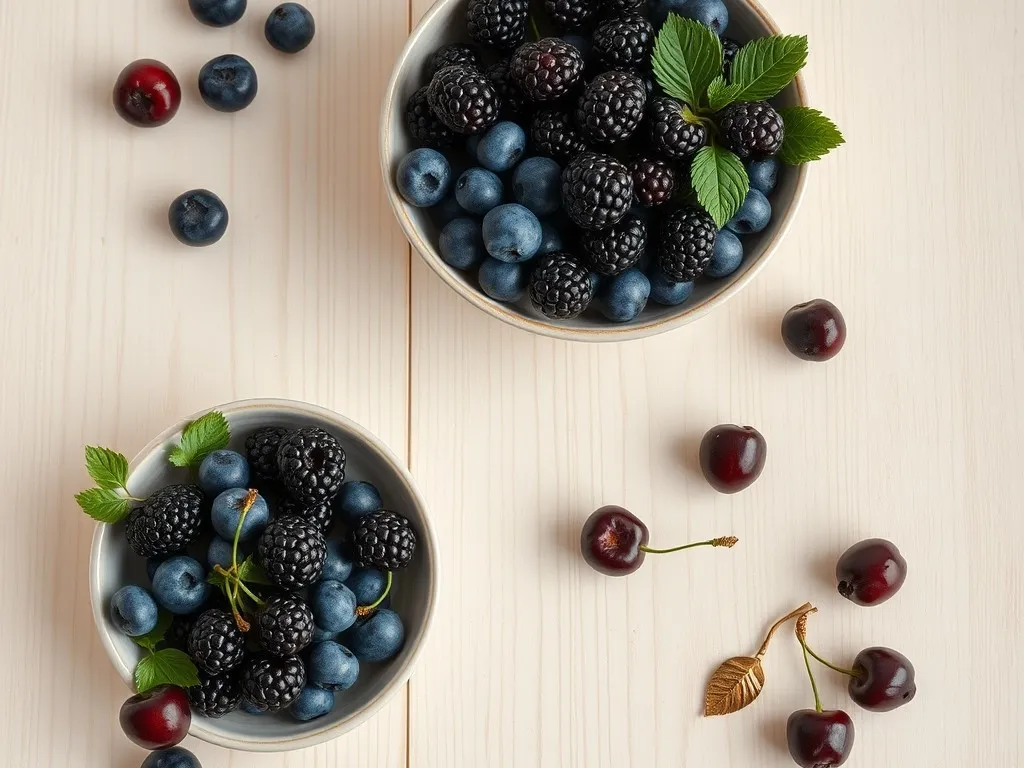
One cup of raw blueberries weighs about 148 grams. It carries roughly 84 calories, 3.6 grams of fibre and 14.4 milligrams of vitamin C, according to USDA FoodData Central. That is a decent snack. It is not a prescription.
Yet a 2026 systematic review in The American Journal of Clinical Nutrition has handed the humble berry a headline it may not be able to carry alone. The numbers are striking. The interpretation is where things get interesting.
What the 2026 Anthocyanin Review Actually Found
Researchers from Tufts Medical Center, the University of East Anglia and Queen's University Belfast pooled 18 prospective cohort studies and 65 randomized controlled trials. Comparing the highest and lowest habitual intake categories, the cohort data showed associations with 26% lower cardiovascular disease incidence and 18% lower myocardial infarction incidence.
The same comparison pointed to 11% lower type 2 diabetes incidence and 8% lower hypertension incidence. The trials added something the cohorts could not: improvements in selected vascular function measures, particularly flow-mediated dilation, which tracks how blood vessels respond to shifts in blood flow.
The Detail Most Headlines Will Skip
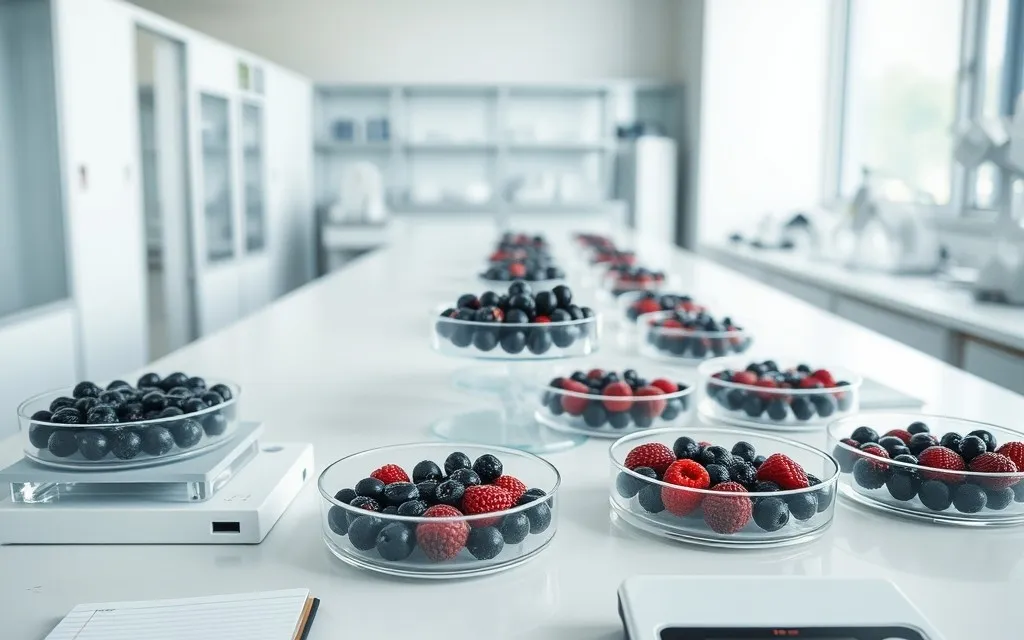
Here is the part worth pinning to your wall. The review examined anthocyanins from multiple foods and supplements. Not blueberries alone. The pigments that give blueberries their blue-purple colour also turn up in other fruits and vegetables, and the pooled data do not separate them out.
And the risk differences are observational associations. They do not prove that eating blueberries prevents cardiovascular disease, hypertension or diabetes. The trial results help clarify possible biological mechanisms, and the authors themselves called for larger, longer-term studies.
So why does the blueberry get the spotlight? Because it is convenient, photogenic and easy to put in a breakfast bowl. Science communication rewards the simple version. If you want to understand how to tell a strong study from a press release, the same logic applies to the one sentence that separates a real study from a press release.
Cognition, Mood and the Gut Microbiome Remain Early-Stage
Scientists are also looking at blueberries and other flavonoid-rich foods in relation to cognitive function, vascular health and healthy ageing. Some human studies examined memory, attention and performance among older adults, with promising but varying findings.
A USHBC-supported pilot study looked at daily blueberry intake and changes in gut microbial activity among older, sedentary adults with mild depressive symptoms. Separate long-term work on flavonoid-rich diets, including berries, apples and citrus fruits, explored associations with happiness and optimism in older women.
Read those carefully. Pilot work generates questions. Observational work on broad dietary patterns does not establish that blueberries improve mood or treat mental health conditions. The gap between a promising signal and a treatment claim is wide, and the same discipline applies across natural product research, as explored in how to judge the best health science papers.
Fresh, Frozen, Dried and the Sugar Question
Blueberries now arrive in many formats. Fresh fruit suits cereals, yoghurt and salads. Individually quick-frozen berries work well in smoothies, bakery fillings and desserts. Dried berries land in granola and snack mixes, while freeze-dried versions go into cereal blends and toppings. Powders, purees, concentrates and sauces open further options for beverages, dairy and baked goods.
Nutrient composition shifts with processing, serving size and added ingredients. Check labels on dried fruit products and sauces for added sugars. Fresh and unsweetened frozen berries remain the practical route if you want the fruit without the extras.
What This Means for Readers in the Netherlands and Beyond
For researchers and students following the literature, the takeaway is methodological. Pooling 18 cohorts and 65 trials produces a strong signal about anthocyanin-rich dietary patterns. It does not produce a berry-specific drug. The next step the authors want is bigger and longer trials, which cost more and take years.
For everyone else, the practical advice is refreshingly boring. A healthy lifestyle depends on the full dietary pattern, regular physical activity and sleep, not on one ingredient. Blueberries contribute fibre, vitamin C, vitamin K, manganese and naturally occurring polyphenols. That is a real contribution. It is not a shield against disease.
Enjoy them in a breakfast bowl. Just do not let a 26% figure on a poster do the thinking for you.
Source: msn.com